


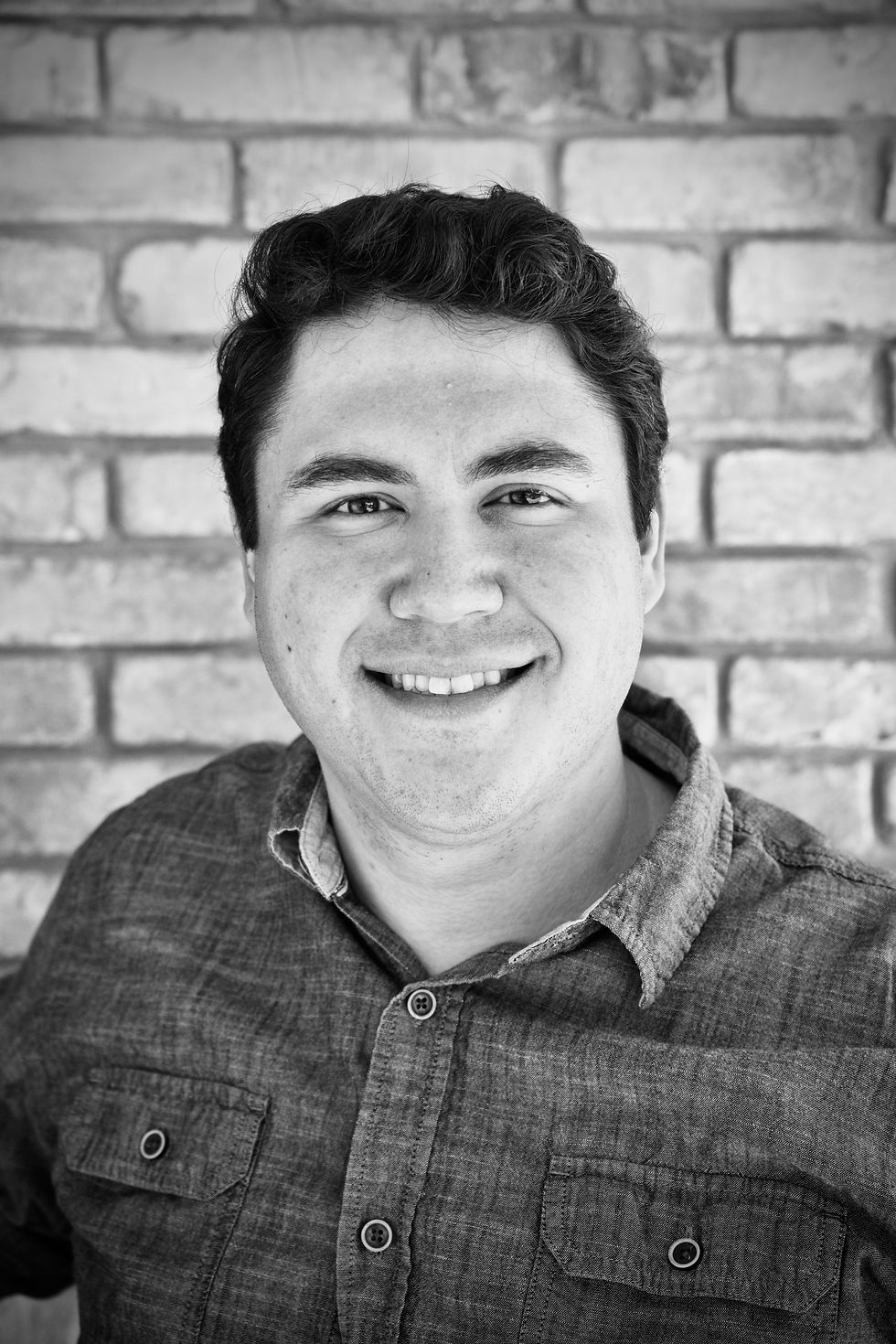
Steve Wilde - An Interview

The Reckoning is the story of one person as they are drawn deeper and deeper into a protest movement. As well as being a journey of self-exploration it is also accompanied by an album.
You can find The Reckoning HERE.
Open Shelf caught up with author Steve Wilde to find out more.

Let's start by looking at the origins of this creative process. What was the first spark that led to The Reckoning - the story, the music, or something else entirely?
It came from watching ordinary life. The need to belong is one of the most fundamental human needs there is. You can see it on a football terrace, around a family table, in an office, in a retail job. That sense of being part of something, of mattering to the people around you, is real and it's important. But we've also handed that need over to devices that deliver a version of it on demand. The notification, the like, the reply in the group chat, each one is a little hit of the same feeling. Temporary, immediate, gone the moment the screen goes dark. And then you need the next one.
The book is about what happens when someone who isn't getting the real thing gets unlimited access to the cheap version, and then someone offers them something that finally feels genuine again. The movement in the novella has no name and no political label because the mechanism doesn't need one. It just needs that hunger. I've watched it operate in places that had nothing to do with politics. Once I understood that, the story and the music arrived together.
Did the prologue come early in the writing process, or did it emerge later as the emotional anchor?
It came first. The loneliness had to be established before anything else could happen. Not dramatic loneliness, the ordinary kind. Lying there at 2 AM with your phone, three thousand connections online and nobody who'd actually notice if you went quiet for a week. The dopamine loop of checking and rechecking, the brief lift when something lands, the flatness when it doesn't. Most people know that feeling. The prologue is just naming it honestly. If the reader doesn't feel the hunger first, nothing that follows makes sense.
How did you balance the intimate, internal voice of the narrator with the broader conceptual themes of ideology and belonging?
By keeping the theory out of the prose. The narrator isn't thinking about group psychology. They're thinking about whether anyone will notice them when they walk into a room. The research sits behind the book, not inside it. What I wanted was for the reader to feel the process from the inside, one step at a time, each one making the next easier to say yes to. The moment the book starts explaining itself, you've lost it. It has to just happen, the way it just happens to the protagonist.
The writing is very sensory and atmospheric, perhaps leaning into your musical background. How intentional was that from the outset?
Very intentional. I think in sound and texture as much as in image and story. The warmth of the room, the coffee, the person who holds the door and says your name. These details work the way a melody works. They get past your guard before your thinking catches up. The writing and the subject matter are working the same way. That felt right.
Let's dig into the themes a little. The protagonist's loneliness is shown with precision. What drew you to explore modern isolation in this way?
Because it's the ground everything else grows from. The desire to be seen, to count for something, that's not political, it's just human. And devices have changed the way we experience both. We used to have to earn belonging through time and proximity and shared experience. Now it's available instantly, but the instant version doesn't satisfy the same hunger. I've watched people I care about get caught in that loop. The protagonist isn't weak or damaged. They're just someone who's been living on the digital version of connection for too long and is absolutely starving for something real.
The story examines the psychology of group dynamics. What aspects of collective thinking were you most interested in portraying?
The slippery slope you don't realise you've arrived at until you're already there. Nobody decides to stop thinking for themselves. It happens in small steps, each one seeming reasonable at the time. You say yes to the coffee. You say yes to the meeting. You share the post. You attend the event. And somewhere in there, without any single moment you could point to, the group's thinking has replaced your own. I've seen it happen in families, in workplaces, among sports supporters, anywhere the need to belong gets strong enough that questioning the group starts to feel like a threat to your place in it. The vote to exile Charlie is that moment made visible. And the frightening thing is it feels completely natural.
The narrator's hunger for meaning feels central. How did you approach writing a character who is both self-aware and deeply lost?
The self-awareness is part of what makes them vulnerable. They can see something is missing. They know what the group is offering. What they can't see is the cost until they've already paid it. There's a gap between sensing that something is wrong and being able to name what it is, and that's where the whole book lives. Some people find their way out of it. Some never do. The book doesn't pretend it always ends with recovery. The reckoning in the title is not a guarantee. It's a possibility.
Was there a moment in the story where you felt the character truly “clicked” for you?
The vote. I had to write the warmth of raising that hand, the genuine pleasure of being on the right side with thirty-seven other people who all agree with you. If I wrote it as obviously wrong, the whole book falls apart. The reader needs to feel why they did it. Because that's the honest truth of how it works. It doesn't feel like a betrayal. It feels like belonging. That's when the character became real to me, not when they were sympathetic, but when they were genuinely, understandably wrong.
We've seen a few books of late that have complementary music. This novella blends narrative, lyrics, and music. How did you decide on this hybrid structure?
The companion album exists, and I didn't want the two things to just sit alongside each other politely. I wanted them to need each other. The prose goes deep inside the experience. The lyrics step back and give it a shape, name things the prose has been circling. Music gets at things prose can't quite reach, and prose holds things music can only gesture at. Both were necessary.
Did the interludes shape the story, or did the story shape the interludes?
The story came first. But once the interludes were in place, they started pushing back, telling me when the prose hadn't quite earned what the lyric was trying to do. If an interlude wasn't landing, it almost always meant something in the chapters before it hadn't done its job. They became a diagnostic tool. When the music feels flat, look at what came before it.
How do you see the relationship between the written text and the companion album?
Two ways into the same room. Both complete on their own. But together you get something neither can give you alone, not the same thing twice, but the same thing seen from two different angles. That changes what you see.
That's a great image and it was interesting reading whilst playing the music. Were there challenges in keeping the narrative cohesive while working across multiple mediums?
The challenge was trust. Not pointing at the connections, not over-explaining. The reader and the listener will find them. That's uncomfortable when you're deep inside something and you can't tell anymore what's obvious and what isn't. But it's better that way.
Let's have a brief closer look at the music. The album features both male and female vocals. How did you choose the performers, and what qualities were you looking for in their voices?
The honest answer is that this album wouldn't exist in the form it does without some of the voice substitution and replication technology that's arrived in recent years. I'm not a confident singer, and for a long time the music I heard in my head was beyond what I could deliver myself. A friend pointed me toward what was becoming possible, and it opened everything up. Suddenly I could get closer to what I'd been hearing in my imagination.
The technology helped take the songs to a level I could only have envisaged otherwise, and The Reckoning felt like exactly the right vehicle for that approach, a project where the music serves the idea rather than the performer.
The Alan Parsons Project was a major influence on how I thought about the album as a whole, that sense of the concept album as a complete artistic statement, production as composition, everything in service of a central idea. And Jeff Wayne's War of the Worlds for the dramatic sweep of it, the narration carrying the story while the music does what words can't, the whole thing designed to be an event you clear an evening for. That's the territory I was working in.
Each track needed something specific. Posters in the Rain needed a melancholic, almost operatic core, something carrying grief without sentimentality. March of Good Intentions needed a shanty-like communal drama, the sound of people moving together toward something they believe in. First Comes Silence needed hard edges. Cancel the Sun needed a rocky feel, momentum and weight. The Hand That Never Let Go needed to feel almost biblical, which made sense, because that's the chapter about the people who kept the door open, the grace that wasn't earned.
I would have loved to have worked with an orchestra and more talented real performers. But maybe that's a project for another day. What exists is what I could make with what I had, and I'm proud of it for that reason as much as any other.
We always like to look forward as we come to the end of an interview. So, what comes next?
From the beginning, once the book and the album existed together, I always pictured this becoming something bigger. Not just a novel with a soundtrack, but a proper multimedia package in the spirit of War of the Worlds or The Lamb Lies Down on Broadway. Something you hold in your hands. A gatefold, artwork that extends the world of it, the text inside, the music playing while you read. The full experience happening at once. That was the vision from early on, and it's still where this is heading.
The stage script came after that thinking. Once you imagine it as a complete physical and musical object, the theatrical version is the natural next step. A small company of performers, an intimate production, the story told live in a room with people in it. That's where the project goes once the package exists. The book and the album are what's here now. The gatefold is the next thing. The stage is where it ends up.
Well, based on the book, we'll look forward to that all coming to fruition!
Thanks to Steve for joining us to discuss The Reckoning!
You can read more about Steve and his work HERE.



Comments